Pest Control

Is Eco-Friendly Pest Control Effective? A Complete Guide for Homeowners

Pest Control

Many homeowners are looking for safer and more environmentally responsible ways to protect their homes from unwanted pests. As awareness of sustainability continues to grow, eco-friendly pest control has become an increasingly popular alternative to traditional pest management methods. Rather than relying solely on broad-spectrum chemical treatments, environmentally conscious pest control focuses on prevention, targeted solutions, and products designed to reduce unnecessary environmental impact.

While some people question whether these methods are as effective as conventional treatments, modern eco-friendly Port St Lucie Pest Control has proven to be a reliable solution for many common pest problems. Understanding how eco-friendly pest control works can help homeowners decide whether it is the right choice for their property.

What Is Eco-Friendly Pest Control?

Eco-friendly pest control is an approach to pest management that aims to reduce environmental impact while effectively controlling unwanted insects and rodents. Instead of depending exclusively on chemical pesticides, these programs often combine preventive maintenance, habitat modification, physical barriers, monitoring, and carefully selected treatment products. The goal is to solve pest problems while minimizing unnecessary exposure to people, pets, wildlife, and beneficial insects. This balanced strategy focuses on long-term prevention rather than repeated chemical applications. Sustainable pest management begins with understanding why pests are attracted to a property.

Many eco-friendly pest control programs follow the principles of integrated pest management, commonly known as IPM. This approach emphasizes regular inspections, accurate pest identification, and selecting the least disruptive treatment necessary for each situation. Rather than treating every property the same way, pest control strategies are adjusted according to the type of pest, the severity of the infestation, and environmental conditions. This customized approach often leads to better long-term results. Careful planning is an important part of environmentally responsible pest management.

Is Eco-Friendly Pest Control Actually Effective?

Eco-friendly pest control can be highly effective when it is applied correctly and combined with preventative measures. Many common household pests, including ants, spiders, cockroaches, rodents, and certain outdoor insects, can be successfully managed using environmentally conscious techniques. Instead of simply eliminating visible pests, eco-friendly programs work to remove the conditions that allow infestations to develop. This creates a more sustainable solution that helps reduce recurring problems over time. Long-term prevention is one of the greatest strengths of this approach.

The effectiveness of eco-friendly pest control depends on several factors, including the type of pest, the size of the infestation, and how quickly treatment begins. Minor infestations are often easier to manage because pests have had less time to establish nests or breeding populations. Larger infestations may require multiple visits and a combination of treatment methods before complete control is achieved. Patience and consistency are important because environmentally responsible programs often emphasize gradual long-term improvement rather than immediate elimination. Following professional recommendations supports the best possible outcome.

What Types of Eco-Friendly Pest Control Methods Are Used?

One of the most common eco-friendly pest control methods is exclusion, which focuses on preventing pests from entering the property in the first place. Sealing cracks, repairing damaged screens, installing door sweeps, and closing gaps around utility lines reduce the number of access points available to insects and rodents. Preventing entry often eliminates the need for repeated treatments later. Exclusion is one of the most effective forms of long-term pest prevention. Keeping pests outside is usually easier than removing them after they have entered.

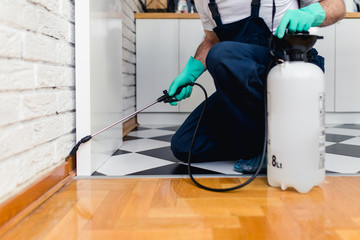
Monitoring and targeted treatments also play important roles in environmentally responsible pest management. Instead of applying products across an entire property, technicians identify areas where pest activity is concentrated and treat only those locations when necessary. Sticky traps, bait stations, physical removal, and carefully selected low-impact products help reduce pest populations while limiting unnecessary environmental exposure. Regular inspections ensure treatments remain effective over time. Targeted solutions support both efficiency and sustainability.

What Are the Benefits of Eco-Friendly Pest Control?

One of the biggest benefits of eco-friendly pest control is its focus on prevention instead of repeated chemical applications. By identifying moisture problems, food sources, structural openings, and landscaping conditions that attract pests, homeowners can reduce the likelihood of future infestations. Preventative strategies often provide lasting results because they address the reasons pests are present in the first place. This proactive approach supports healthier long-term pest management. Solving the underlying problem is often more effective than repeatedly treating symptoms.

Eco-friendly pest control may also reduce unnecessary environmental impact by limiting product use to situations where it is genuinely needed. Carefully planned treatment strategies help preserve beneficial insects that contribute to healthy ecosystems while still controlling harmful pests. Responsible pest management also encourages homeowners to improve sanitation, maintenance, and property care. These improvements benefit the home regardless of whether pests are currently present. Sustainable practices often provide advantages beyond pest control alone.

Are Eco-Friendly Treatments Suitable for Every Pest Problem?

Eco-friendly pest control is effective for many common pest issues, but every infestation is different. Minor to moderate infestations often respond well to integrated pest management strategies that combine exclusion, sanitation, monitoring, and targeted treatments. However, severe infestations involving termites, bed bugs, or rapidly expanding rodent populations may require additional treatment methods depending on the situation. The treatment plan should always be based on careful inspection rather than assumptions. Every pest problem requires an appropriate solution.

Professional inspections help determine whether environmentally responsible methods alone are sufficient or whether additional treatment options should be considered. Experienced technicians evaluate pest activity, structural conditions, and environmental factors before recommending the most suitable approach. In many situations, eco-friendly strategies can be combined with other carefully selected treatments to provide effective control while still minimizing unnecessary environmental impact. Flexible treatment plans produce better overall results. Customized solutions improve long-term success.

How Can Homeowners Support Eco-Friendly Pest Control?

Homeowners play an important role in making eco-friendly pest control successful. Keeping kitchens clean, storing food in sealed containers, repairing plumbing leaks, and removing standing water all reduce the resources pests need to survive. Regular cleaning also limits crumbs, grease, and moisture that commonly attract insects. These simple habits strengthen the effectiveness of professional treatments. Everyday maintenance supports long-term prevention.

Outdoor maintenance is equally important because many pests begin their activity outside before moving indoors. Trimming vegetation away from exterior walls, keeping gutters clean, removing piles of leaves or debris, and storing firewood away from the home’s foundation all reduce attractive hiding places. Routine inspections allow homeowners to identify potential entry points before pests use them. Combining property maintenance with professional guidance creates a stronger defense against future infestations. Prevention remains the foundation of eco-friendly pest management.

How Does Eco-Friendly Pest Control Compare With Traditional Methods?

Traditional pest control often focuses on eliminating active infestations as quickly as possible through chemical treatments. While these methods can provide rapid results, they may not always address the environmental conditions that allowed pests to become established. Eco-friendly pest control takes a broader view by combining prevention, monitoring, exclusion, and targeted treatments to reduce the likelihood of recurring infestations. This long-term strategy often results in more sustainable pest management. Preventing future problems becomes part of the treatment process.

The choice between eco-friendly and traditional pest control depends on the property’s specific needs, the severity of the infestation, and the type of pest involved. Many modern pest management programs successfully combine environmentally responsible practices with carefully selected treatments when necessary. This balanced approach allows homeowners to benefit from effective pest control while reducing unnecessary environmental impact. Professional recommendations help determine the most appropriate strategy for each situation. Thoughtful planning supports both effective results and responsible property care.

Final Thoughts

Eco-friendly pest control is an effective option for many homeowners seeking long-term protection with a reduced environmental impact. By focusing on prevention, exclusion, monitoring, and carefully targeted treatments, environmentally responsible pest management addresses both existing infestations and the conditions that allow pests to thrive. While some situations may require additional treatment methods, eco-friendly strategies provide reliable results for many common household pests when combined with good property maintenance. Taking a proactive approach to pest control helps create a healthier home, supports sustainable practices, and reduces the likelihood of recurring pest problems over time.

Roofing

The Most Common Causes of Roof Leaks

Cedar Park Roofing

Your roof is your home’s first line of defense against the elements. But it’s also a deceptive one, hiding weak spots that can lead to significant damage over time.

Water stains on the ceiling and walls can signal trouble—especially when paired with mold growth. The key is tracing the stain to its source—likely a hole in the attic’s flashing. Contact Cedar Park Roofing for more details.

1. People

A leaking roof is not only annoying. Left unchecked, it can cause severe structural damage to wood beams and drywall. It may also lead to mold growth, which poses health risks and requires expensive remediation. It may even cause a ceiling collapse, which can put you and your family at risk.

Landlords are obligated to repair leaks under the Housing Maintenance Code. If they fail to take action, tenants can take them to court, demanding rent reductions or compensation for damages. Tenants should always document their concerns with clear photos and videos. This helps them prove landlord negligence and makes it easier to secure repairs in court.

Improper roof installation or subpar repairs can contribute to intermittent leaks. If the gutters are clogged or the flashing isn’t properly installed, water can build up and overflow, damaging shingles and interior drywall. Skylights that are not installed correctly or aren’t functioning properly can let water in too, leading to staining and other issues.

A faulty HVAC system or a blocked vent can also cause problems. If the airflow isn’t adequate, condensation can build up and drip onto the roof. If the insulation is old or worn out, it can also allow moisture in.

In HOA communities, a leaking roof is often the responsibility of the homeowner association (HOA). However, it’s important to consult your governing documents, as well as any insurance policies covering the property. Some HOAS have specific language on addressing roof maintenance, while others don’t. If you’re unable to resolve the issue with your HOA, consider arbitration or mediation. This is less costly than a lawsuit and can keep community harmony intact.

2. Weakness at the Seams

If you spot water stains on the ceiling or walls, it’s time to call a roofer. These stains are often a sign of slow roof leaks that could lead to drywall damage and mold growth.

Most residential roofs are built from large rolls of membrane that must be overlapped and sealed at seams. In areas that are walked on frequently, like around chimneys or vent pipes, the seams may weaken over time and start to leak. Walk pads are important to help protect these sensitive areas.

Another common source of roof leaks are the seams around skylights. If these aren’t sealed properly, or the seals around them weaken, they can leak every time it rains. To prevent this, make sure to have your skylights installed by a professional and to check them during seasonal roof inspections.

Chimneys are another common area for roof leaks, especially when the neoprene pipe boots that seal these structures wear out. These boots typically last 10 years, but depending on the climate and other factors, they can wear out sooner than that. To repair this, a roofing contractor can install a rubber collar that encases the existing flange to provide a stronger, longer-lasting seal.

Sometimes, these leaks are hard to find because homeowners don’t have access to their attics. These homes may have vaulted or cathedral ceilings, and the only way to investigate a potential leak is by calling in a roofer. But before you call, make sure that the staining is actually from a roof leak and not condensation or poor ventilation. A trusted roofer can tell you what the cause is and can recommend the best solutions.

3. Neglect

A slow roof leak is like a ticking time bomb, resulting in water damage that eats away at insulation, drywall, plywood, paint and other materials over time. A quick response is key to minimizing this type of repair bill, as well as to protecting your personal belongings and the value of your home.

One of the most common causes of roof leaks is neglect. The lack of regular roof maintenance can lead to the deterioration of important parts of your roofing system, such as the pitch pans and caulking around vent pipes, chimneys, skylights, and access panels. Regular inspections, resealing, and replacement of the rubber seals and other items can help prevent leaks and expensive damage to your attic and interior living space.

Inadequate roof maintenance can also leave your gutters clogged, rusted and detached from the roof, leading to the accumulation of water on the roof and around the foundation. This can cause the roof to leak, especially in areas such as skylights and where the roof meets walls (known as leak zones). Performing routine gutter maintenance can ensure that your roof is draining properly.

States vary in their definitions of neglect, based on how much of the NIS-4 Typology for Classifying Maltreatment is included and whether states include other types of harm, such as emotional and physical harm, or involuntary neglect, including religious or philosophical beliefs. By conducting a cluster analysis, the authors found that most states can be grouped into three distinct groups with similar characteristics of neglect definitions. The Minimal Cluster contains states that mostly adhere to the NIS-4 typology for neglect, while the Large and Medium Clusters contain states that deviate from the NIS-4 typology and include other types of harm in their definitions.

4. Rooftop Equipment

Rooftop equipment like HVAC units, exhaust fans and ductwork can cause leaks when they are installed incorrectly or if the flashing around them fails. In addition, rooftop equipment exposes the roof to extreme weather conditions and needs frequent maintenance, which creates additional wear and tear on the roof membrane. This increased wear leads to organic growth and the potential for leaks.

The location of rooftop equipment can also pose a problem. Heavy equipment is usually located in the center of the roof, which places it at a higher risk for leaks than perimeter areas. Also, it is more difficult to reach rooftop equipment for inspection and maintenance. This often requires using a ladder or a lift, which increases the risk of falling and injuries. Inspecting rooftop equipment and adjusting as needed can help minimize leaks caused by HVAC units, vents or skylights.

Poor drainage is a common source of leaks. A poorly designed or installed roof drain can lead to ponding water, which can cause shingles to buckle and tear. Drains should be cleaned regularly, particularly after storms and during the fall and spring when leaves can clog them. Also, installing gutters, scuppers or roof drains can reduce ponding water and prevent it from damaging the structure of your building.

Look for signs of a leaky roof, such as dark spots on the ceiling and water stains on wood or insulation. If you can’t find the source of a leak from your attic, ask a professional to take a closer look. The leak could be caused by condensation or another issue, such as a plumbing problem, rather than a roofing problem. A roofing professional can tell you what the best course of action is for a roof repair.

5. Weather

A roof is an extremely vulnerable part of the home. Rain, hail, high winds and other natural weather patterns can do a number on your roof.

If a storm damages your roof, it’s important to have any leaks fixed immediately. It is possible for a roofing professional to repair this damage, but it’s better to prevent these problems from occurring in the first place.

This is why routine maintenance and inspections are so important. It’s easy to push roof repairs to the back burner, especially when the sun is shining and you have other priorities on your plate.

Unfortunately, many homeowners don’t know what to look for when a roof leaks. Depending on the type of leak you have, finding the source can be tricky.

For example, a leaky chimney or skylight can be difficult to track down because of the way water travels through your attic. Typically, this water will create a puddle on the attic floor before it finds an escape route. This could be a vent, soffit vent, or even an opening for a light fixture.

This is why it’s important to have your roof inspected regularly by a licensed and certified roofing contractor. These professionals can identify issues that may be causing leaks, like a broken shingle, and make any necessary repairs to prevent future leaks. Whenever you do need to go on your roof, be sure to use a ladder that is sturdy and wear rubber soles or traction footwear to reduce the risk of slipping. It’s also a good idea to have someone hold the ladder for safety and to keep the person below safe by applying tie-down straps.

Visit our Professional Services Blogs

Portland Metro Plumbers, Provantage Handyman, Santa Ana Flooring, Plumbing Heating Cooling New Jersey, Riverside Stump Grinding, Painter In Hanover, My Restoration Directory, Miami Dade Restoration Services, Update Construction, Campanelli Construction, Cruz Construction And Restoration , Airconditioning Round Rock, Air Dynamics Airconditioning And Heating, Gands Airconditioning And Heating, Windward Building Company LLC, Airconditioning Repairs Bocaraton, Laguna Airconditioning, Roofing 719, 3 Phase Construction NJ, Broadway Building Contractors, UIS Concrete And Demo, Austin Plumbers Near Me, Richmond Gutter Cleaning Company, Weather Defense Roofing Weather Proof Roofing, Ray Allen Plumbing, Raleigh Pressure Washing Painting , Fairfield County Septic, Carlson Craft Cabinets, Helping Hand Home Improvement, Delco Home InspectorWindow Cleaning Stafford