Pest Control

Is Eco-Friendly Pest Control Effective? A Complete Guide for Homeowners

Pest Control

Many homeowners are looking for safer and more environmentally responsible ways to protect their homes from unwanted pests. As awareness of sustainability continues to grow, eco-friendly pest control has become an increasingly popular alternative to traditional pest management methods. Rather than relying solely on broad-spectrum chemical treatments, environmentally conscious pest control focuses on prevention, targeted solutions, and products designed to reduce unnecessary environmental impact.

While some people question whether these methods are as effective as conventional treatments, modern eco-friendly Port St Lucie Pest Control has proven to be a reliable solution for many common pest problems. Understanding how eco-friendly pest control works can help homeowners decide whether it is the right choice for their property.

What Is Eco-Friendly Pest Control?

Eco-friendly pest control is an approach to pest management that aims to reduce environmental impact while effectively controlling unwanted insects and rodents. Instead of depending exclusively on chemical pesticides, these programs often combine preventive maintenance, habitat modification, physical barriers, monitoring, and carefully selected treatment products. The goal is to solve pest problems while minimizing unnecessary exposure to people, pets, wildlife, and beneficial insects. This balanced strategy focuses on long-term prevention rather than repeated chemical applications. Sustainable pest management begins with understanding why pests are attracted to a property.

Many eco-friendly pest control programs follow the principles of integrated pest management, commonly known as IPM. This approach emphasizes regular inspections, accurate pest identification, and selecting the least disruptive treatment necessary for each situation. Rather than treating every property the same way, pest control strategies are adjusted according to the type of pest, the severity of the infestation, and environmental conditions. This customized approach often leads to better long-term results. Careful planning is an important part of environmentally responsible pest management.

Is Eco-Friendly Pest Control Actually Effective?

Eco-friendly pest control can be highly effective when it is applied correctly and combined with preventative measures. Many common household pests, including ants, spiders, cockroaches, rodents, and certain outdoor insects, can be successfully managed using environmentally conscious techniques. Instead of simply eliminating visible pests, eco-friendly programs work to remove the conditions that allow infestations to develop. This creates a more sustainable solution that helps reduce recurring problems over time. Long-term prevention is one of the greatest strengths of this approach.

The effectiveness of eco-friendly pest control depends on several factors, including the type of pest, the size of the infestation, and how quickly treatment begins. Minor infestations are often easier to manage because pests have had less time to establish nests or breeding populations. Larger infestations may require multiple visits and a combination of treatment methods before complete control is achieved. Patience and consistency are important because environmentally responsible programs often emphasize gradual long-term improvement rather than immediate elimination. Following professional recommendations supports the best possible outcome.

What Types of Eco-Friendly Pest Control Methods Are Used?

One of the most common eco-friendly pest control methods is exclusion, which focuses on preventing pests from entering the property in the first place. Sealing cracks, repairing damaged screens, installing door sweeps, and closing gaps around utility lines reduce the number of access points available to insects and rodents. Preventing entry often eliminates the need for repeated treatments later. Exclusion is one of the most effective forms of long-term pest prevention. Keeping pests outside is usually easier than removing them after they have entered.

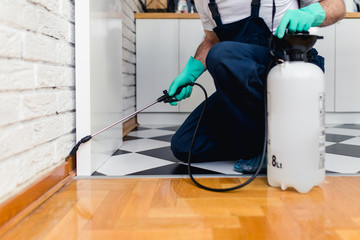
Monitoring and targeted treatments also play important roles in environmentally responsible pest management. Instead of applying products across an entire property, technicians identify areas where pest activity is concentrated and treat only those locations when necessary. Sticky traps, bait stations, physical removal, and carefully selected low-impact products help reduce pest populations while limiting unnecessary environmental exposure. Regular inspections ensure treatments remain effective over time. Targeted solutions support both efficiency and sustainability.

What Are the Benefits of Eco-Friendly Pest Control?

One of the biggest benefits of eco-friendly pest control is its focus on prevention instead of repeated chemical applications. By identifying moisture problems, food sources, structural openings, and landscaping conditions that attract pests, homeowners can reduce the likelihood of future infestations. Preventative strategies often provide lasting results because they address the reasons pests are present in the first place. This proactive approach supports healthier long-term pest management. Solving the underlying problem is often more effective than repeatedly treating symptoms.

Eco-friendly pest control may also reduce unnecessary environmental impact by limiting product use to situations where it is genuinely needed. Carefully planned treatment strategies help preserve beneficial insects that contribute to healthy ecosystems while still controlling harmful pests. Responsible pest management also encourages homeowners to improve sanitation, maintenance, and property care. These improvements benefit the home regardless of whether pests are currently present. Sustainable practices often provide advantages beyond pest control alone.

Are Eco-Friendly Treatments Suitable for Every Pest Problem?

Eco-friendly pest control is effective for many common pest issues, but every infestation is different. Minor to moderate infestations often respond well to integrated pest management strategies that combine exclusion, sanitation, monitoring, and targeted treatments. However, severe infestations involving termites, bed bugs, or rapidly expanding rodent populations may require additional treatment methods depending on the situation. The treatment plan should always be based on careful inspection rather than assumptions. Every pest problem requires an appropriate solution.

Professional inspections help determine whether environmentally responsible methods alone are sufficient or whether additional treatment options should be considered. Experienced technicians evaluate pest activity, structural conditions, and environmental factors before recommending the most suitable approach. In many situations, eco-friendly strategies can be combined with other carefully selected treatments to provide effective control while still minimizing unnecessary environmental impact. Flexible treatment plans produce better overall results. Customized solutions improve long-term success.

How Can Homeowners Support Eco-Friendly Pest Control?

Homeowners play an important role in making eco-friendly pest control successful. Keeping kitchens clean, storing food in sealed containers, repairing plumbing leaks, and removing standing water all reduce the resources pests need to survive. Regular cleaning also limits crumbs, grease, and moisture that commonly attract insects. These simple habits strengthen the effectiveness of professional treatments. Everyday maintenance supports long-term prevention.

Outdoor maintenance is equally important because many pests begin their activity outside before moving indoors. Trimming vegetation away from exterior walls, keeping gutters clean, removing piles of leaves or debris, and storing firewood away from the home’s foundation all reduce attractive hiding places. Routine inspections allow homeowners to identify potential entry points before pests use them. Combining property maintenance with professional guidance creates a stronger defense against future infestations. Prevention remains the foundation of eco-friendly pest management.

How Does Eco-Friendly Pest Control Compare With Traditional Methods?

Traditional pest control often focuses on eliminating active infestations as quickly as possible through chemical treatments. While these methods can provide rapid results, they may not always address the environmental conditions that allowed pests to become established. Eco-friendly pest control takes a broader view by combining prevention, monitoring, exclusion, and targeted treatments to reduce the likelihood of recurring infestations. This long-term strategy often results in more sustainable pest management. Preventing future problems becomes part of the treatment process.

The choice between eco-friendly and traditional pest control depends on the property’s specific needs, the severity of the infestation, and the type of pest involved. Many modern pest management programs successfully combine environmentally responsible practices with carefully selected treatments when necessary. This balanced approach allows homeowners to benefit from effective pest control while reducing unnecessary environmental impact. Professional recommendations help determine the most appropriate strategy for each situation. Thoughtful planning supports both effective results and responsible property care.

Final Thoughts

Eco-friendly pest control is an effective option for many homeowners seeking long-term protection with a reduced environmental impact. By focusing on prevention, exclusion, monitoring, and carefully targeted treatments, environmentally responsible pest management addresses both existing infestations and the conditions that allow pests to thrive. While some situations may require additional treatment methods, eco-friendly strategies provide reliable results for many common household pests when combined with good property maintenance. Taking a proactive approach to pest control helps create a healthier home, supports sustainable practices, and reduces the likelihood of recurring pest problems over time.