Septic Pumping

Septic Pumping Process: A Step-by-Step Guide for Homeowners

Septic Pumping

A septic system handles wastewater every day, yet most of its work happens underground and out of sight. Over time, solid waste settles at the bottom of the septic tank while grease and other floating materials accumulate near the top. If these materials are not removed periodically, they can reduce the tank’s working capacity and potentially interfere with the rest of the septic system. Septic Pumping Fresno removes this accumulated waste and gives professionals an opportunity to check the condition of important components. Understanding the septic pumping process can help homeowners know what happens during an appointment, how to prepare, and why routine pumping is an important part of septic system maintenance.

What Is Septic Pumping and Why Is It Necessary?

A septic tank receives wastewater from toilets, sinks, showers, washing machines, and other household plumbing fixtures. Inside the tank, heavier solids settle to the bottom and form sludge, while lighter materials such as oils and grease rise to form a scum layer. The liquid portion between these layers eventually flows from the tank toward the drain field for further treatment in the soil. Although natural biological activity breaks down some waste, it cannot eliminate all accumulated solids. Septic pumping physically removes these materials before they reach problematic levels.

Without periodic pumping, sludge and scum can occupy an increasing amount of the tank’s usable space. Eventually, solids may move toward the outlet and potentially enter other parts of the septic system. This can contribute to blockages, backups, poor system performance, and problems within the drain field. Because drain field repairs can be much more complicated than routine maintenance, preventing excessive solid accumulation is important. Regular pumping helps preserve the system’s ability to manage household wastewater effectively.

How Does the Septic Pumping Process Begin?

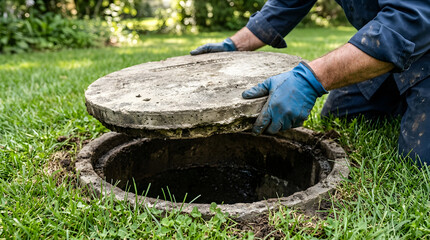
The septic pumping process usually starts by locating the tank and identifying its access points. Homeowners who know where their tank is located can often make this stage easier by providing maintenance records or information from previous services. Depending on the property, access lids may be visible at ground level or buried beneath soil. If they are buried, the appropriate area must be uncovered before the tank can be serviced. Easy access can reduce the amount of preparation required during the appointment.

Once the tank is accessible, the technician opens the appropriate lid and evaluates the condition of the system before pumping. This may include observing wastewater levels and examining visible components for signs of unusual conditions. Sludge and scum levels may also be assessed to understand how much material has accumulated since the previous service. These observations can provide useful information about whether the current pumping schedule is appropriate. An unusually high or low liquid level may also indicate a condition that deserves further investigation.

How Is Waste Removed From the Septic Tank?

After the initial evaluation, a large vacuum hose connected to a specialized pumping truck is placed into the tank. The pumping equipment removes wastewater along with accumulated sludge and scum. Because solids can settle heavily at the bottom, the technician may need to reposition the hose or otherwise help mix the contents so accumulated material can be removed effectively. The objective is to pump the tank thoroughly rather than simply removing the easiest liquid near the top. Complete service helps restore the tank’s working capacity.

The material removed from the septic tank is stored securely in the pumping vehicle for transportation to an appropriate receiving or treatment facility. Homeowners should not attempt to remove or dispose of septic waste themselves because it contains potentially harmful contaminants and requires proper handling. Professional septic service providers have equipment designed for collecting and transporting wastewater safely. Proper waste handling is an essential part of the overall pumping process. The job is not complete simply because the tank has been emptied.

What Is Inspected During Septic Pumping?

Pumping provides an opportunity to observe components that are normally difficult to evaluate when the tank is closed. Depending on the system, the technician may examine accessible inlet and outlet areas, baffles, filters, access components, and visible portions of the tank. Signs of cracks, corrosion, deterioration, or damaged components may indicate that repairs are necessary. Identifying these issues during routine maintenance can help homeowners address them before they contribute to system failure. Inspection adds significant value to the pumping appointment.

The technician may also look for conditions that suggest problems beyond ordinary solid accumulation. Unusual water levels, evidence of wastewater flowing back toward the tank, or other abnormal conditions may warrant additional investigation. Pumping alone cannot correct every septic problem, particularly when pipes, the drain field, or structural components are damaged. Recognizing the difference between a full tank and a malfunctioning system is important. A thorough evaluation helps homeowners understand whether routine maintenance is sufficient.

What Happens After the Septic Tank Is Pumped?

After the contents have been removed, the technician completes any final observations and secures the access points. Filters may be cleaned when the system includes serviceable components and that work is part of the appointment. The lid should be returned to its proper position so the tank remains securely covered. If soil was removed to reach a buried access point, the area may then be restored according to the scope of the service. Properly securing the tank is an important safety step.

Homeowners may receive information about the condition of the tank and recommendations for future maintenance. If damaged components or unusual conditions were discovered, additional inspection or repair may be suggested. Keeping a record of the service date can make future maintenance much easier to manage. Documentation can also include observations about tank size, access location, and repairs completed during the visit. Good records help establish a more predictable septic maintenance schedule.

How Long Does the Septic Pumping Process Take?

The amount of time required for septic pumping varies according to the property and system. A straightforward service with an easily accessible tank may be completed relatively quickly, while a tank with buried access points or difficult site conditions can require more time. Tank capacity and the amount and consistency of accumulated waste can also affect the pumping stage. Additional inspection or maintenance may extend the appointment further. For these reasons, there is no single service time that applies to every property.

Accessibility is often one of the biggest factors affecting the appointment. Vehicles, fences, landscaping, structures, or difficult terrain can complicate equipment placement and hose access. Homeowners can help by ensuring that the known tank area is reasonably accessible before the technician arrives. Providing information about the tank’s location can also prevent unnecessary searching. Preparation helps make the pumping process more efficient without compromising the quality of the service.

How Often Should You Schedule Septic Pumping?

Many household septic tanks are commonly evaluated for pumping on a multi-year schedule, but the appropriate interval varies considerably. Tank size, household occupancy, water usage, waste habits, and the amount of solids entering the system all influence how quickly sludge accumulates. A household with more occupants may need service more frequently than a lightly used system of similar size. Maintenance history is also valuable because previous sludge levels can help indicate how quickly the tank fills. The best schedule should reflect actual system conditions.

Homeowners should avoid relying exclusively on obvious warning signs to decide when pumping is necessary. By the time wastewater begins backing up or the drain field shows signs of stress, the system may already have a more serious problem. Routine inspection and maintenance allow pumping to occur before excessive accumulation threatens normal operation. Keeping track of previous service dates makes this preventive approach much easier. Planned maintenance is generally preferable to waiting for an emergency.

What Are the Signs Septic Pumping May Be Overdue?

Slow drains throughout the house can be a warning sign that deserves investigation, especially when several fixtures are affected simultaneously. Gurgling plumbing, sewage odors, and unusual changes in toilet performance can also indicate a wastewater system problem. These symptoms do not automatically mean the septic tank simply needs pumping because drain blockages and other system failures can produce similar signs. Professional evaluation helps determine the actual cause. Assuming every septic problem can be solved by pumping may delay necessary repairs.

More serious warning signs include wastewater backing up into household fixtures or unusually wet conditions around septic components. Strong sewage odors outdoors and unexplained changes in vegetation around the drain field may also warrant inspection. Homeowners should reduce unnecessary water use and seek professional assistance when significant septic symptoms appear. Continuing normal high-volume water use during a developing problem may worsen the situation. Early diagnosis provides the best opportunity to limit damage.

How Can Homeowners Protect Their Septic System Between Pumpings?

Good household habits can reduce unnecessary strain on a septic system. Toilets should primarily receive human waste and appropriate toilet paper rather than wipes, paper towels, hygiene products, or other materials that do not break down readily. Cooking grease and oils should also be kept out of household drains whenever possible. These materials can contribute to excessive buildup and interfere with normal wastewater treatment. Responsible disposal practices help the septic system operate more effectively.

Water management is equally important because large amounts of wastewater entering the system in a short period can reduce treatment efficiency. Repairing leaking fixtures, using water-efficient appliances, and spreading high-water-use activities throughout the week can help moderate flow. Homeowners should also protect the drain field from inappropriate construction, heavy vehicles, and other activities that could damage the soil or underground components. Septic maintenance extends beyond the tank itself. Protecting the complete system supports better long-term performance.

Final Thoughts

The septic pumping process involves more than inserting a hose and emptying a tank. A thorough service includes locating and accessing the tank, evaluating existing conditions, removing accumulated wastewater, sludge, and scum, observing accessible components, securing the system, and providing maintenance recommendations when necessary. Routine pumping helps prevent excessive solid accumulation from interfering with the tank and potentially reaching downstream components. Homeowners can support the process by maintaining accurate service records, providing clear access, conserving water, and keeping inappropriate materials out of household drains. With regular professional maintenance and responsible everyday use, a septic system can provide reliable wastewater treatment while reducing the likelihood of preventable backups and costly repairs.