Water Damage Restoration

How to Identify Hidden Water Damage Before It Gets Worse

Water Damage

You do not always see water damage the moment it begins. A tiny leak behind a wall, a slow drip beneath a sink, or moisture trapped beneath flooring can quietly spread for weeks or even months before becoming noticeable. By the time stains appear on the ceiling or flooring starts to warp, the damage may already be extensive.

Hidden water damage is one of the most common causes of costly home repairs because it often develops out of sight. Learning how to recognize the early warning signs allows homeowners to act quickly, protect their property, and avoid larger structural problems that become more difficult and expensive to repair. Contact All Pro Services for more information.

What Causes Hidden Water Damage?

Hidden water damage usually begins with a problem that seems too small to cause concern. A loose pipe connection, a minor roof leak, a cracked appliance hose, or worn plumbing components may release small amounts of water over long periods. Because these leaks often occur inside walls, beneath flooring, or above ceilings, they can continue unnoticed while moisture gradually spreads through surrounding materials. Wood, drywall, insulation, and flooring absorb moisture, creating ideal conditions for ongoing deterioration. Since the leak is hidden from view, homeowners often remain unaware until visible damage finally appears.

Water intrusion can also result from heavy rainfall, poor drainage, clogged gutters, foundation cracks, or inadequate waterproofing around windows and doors. Moisture does not always enter the home quickly. Sometimes it slowly seeps through tiny openings whenever it rains, allowing dampness to accumulate over time. Condensation around plumbing pipes or heating and cooling systems can produce similar results when ventilation is inadequate. Understanding these common causes helps homeowners recognize where hidden water damage is most likely to develop. Identifying potential sources early is the first step toward preventing more extensive structural problems.

What Are the Early Warning Signs of Hidden Water Damage?

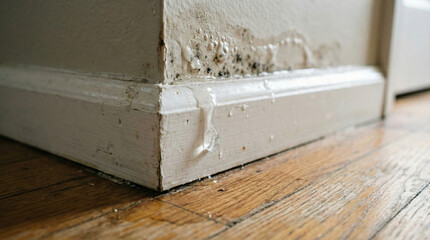
One of the earliest indicators of hidden water damage is a change in appearance that cannot be easily explained. Discoloration on ceilings, walls, or floors often develops before severe structural damage occurs. Yellow, brown, or dark stains may appear gradually as moisture continues to spread behind finished surfaces. Paint may begin bubbling, blistering, or peeling as trapped moisture weakens its bond with the wall. Wallpaper can also loosen or separate from the surface when moisture builds beneath it.

Changes in texture often accompany visible staining. Drywall may begin to feel soft when pressed, and wooden trim may swell or become uneven. Flooring can develop subtle warping, cupping, or buckling that becomes more noticeable over time. Homeowners may also notice that certain areas of the floor feel slightly spongy while walking across them. These changes usually indicate that moisture has already penetrated the building materials beneath the surface. Responding to these early warning signs can prevent the damage from spreading further throughout the home.

How Can Unusual Odors Reveal Hidden Water Damage?

A persistent musty odor is one of the strongest clues that hidden moisture may be present somewhere inside the home. Even if no visible damage can be seen, moisture trapped inside walls, beneath flooring, or above ceilings often creates an environment where unpleasant odors develop. These smells are frequently strongest in enclosed spaces such as closets, basements, crawl spaces, or utility rooms. Air fresheners may temporarily mask the odor, but they do not eliminate the underlying moisture problem. When a musty smell continues despite regular cleaning, further investigation is often necessary.

Odors become more noticeable because moisture affects building materials over time. Damp wood, insulation, drywall, and carpeting can all retain moisture long after the original leak begins. As these materials remain wet, they may support biological growth that contributes to stronger odors throughout the home. The smell often becomes more intense during humid weather because additional moisture in the air slows the drying process. Paying attention to unusual odors can help homeowners identify hidden water damage before visible deterioration becomes severe.

Which Areas of the Home Should Be Inspected Most Often?

Certain areas of a home are naturally more vulnerable to hidden water damage because they contain plumbing, roofing components, or moisture-producing appliances. Kitchens deserve regular attention because sinks, dishwashers, refrigerators, and water supply lines can all develop slow leaks over time. Bathrooms should also be inspected frequently since toilets, showers, bathtubs, and sinks experience constant exposure to water. Even a minor leak beneath a vanity can gradually damage flooring and cabinetry without attracting immediate attention. Routine visual inspections in these locations can help identify problems before they spread.

Attics, basements, crawl spaces, and laundry rooms should also be inspected periodically because they often conceal water damage during its early stages. Roof leaks may first appear in attic insulation before reaching interior ceilings. Basements and crawl spaces are vulnerable to foundation seepage, plumbing leaks, and high humidity. Washing machine hoses, water heaters, and utility connections may also develop slow leaks that remain unnoticed behind stored belongings. Regular inspections of these less frequently visited areas improve the chances of detecting moisture before it causes significant structural damage.

Why Is Early Detection So Important?

The longer water damage remains hidden, the more extensive the repairs often become. Moisture weakens wood framing, softens drywall, damages flooring, and reduces the effectiveness of insulation. Structural materials that remain damp for extended periods gradually lose strength, making repairs more complicated than if the leak had been addressed immediately. What begins as a small plumbing leak may eventually require replacing walls, flooring, ceilings, or structural framing if left unresolved. Early detection limits the amount of material affected and helps preserve the overall condition of the home.

Prompt identification also reduces the disruption associated with repair work. Smaller areas of damage generally require less demolition and shorter restoration timelines. Homeowners can often continue using unaffected portions of the home while repairs are completed. Addressing hidden water damage quickly may also reduce overall repair costs because fewer materials require replacement. Acting early provides both financial and practical benefits while helping maintain the home’s long-term value.

How Can Homeowners Help Prevent Hidden Water Damage?

Preventing hidden water damage begins with routine maintenance and regular inspections. Plumbing fixtures, appliance connections, and exposed pipes should be checked periodically for signs of leaks or corrosion. Homeowners should inspect under sinks, around toilets, behind washing machines, and near water heaters for moisture or discoloration. Roofs and gutters should also be maintained to ensure rainwater is directed safely away from the home. Addressing small maintenance concerns promptly often prevents much larger problems from developing later.

Managing indoor humidity is another important preventive measure. Proper ventilation in bathrooms, kitchens, and laundry rooms helps reduce condensation that may contribute to moisture buildup. Exhaust fans should be used during activities that generate steam, and any standing water should be cleaned up promptly. Homeowners should also pay attention to changes in flooring, walls, ceilings, or odors rather than assuming they will disappear on their own. Consistent maintenance habits create a proactive approach that greatly reduces the risk of hidden water damage.

When Should You Seek Professional Help?

Some water damage is easy to identify, but hidden problems often require specialized evaluation. If stains continue growing, odors persist, or moisture returns after repeated cleaning, professional inspection may be necessary. Professionals can identify moisture hidden behind walls, beneath flooring, and inside ceilings using specialized detection equipment that reaches areas not visible during a standard inspection. This allows the true extent of the damage to be evaluated before repairs begin. Accurate diagnosis helps prevent incomplete repairs that allow moisture to remain trapped inside the structure.

Professional assistance is also valuable after significant storms, plumbing failures, or appliance leaks, even if visible damage appears limited. Moisture often travels farther than expected and can become trapped inside structural materials. Early evaluation helps determine whether drying, repairs, or additional restoration measures are needed. Addressing hidden water damage promptly reduces the likelihood of ongoing deterioration and helps restore the property more efficiently. Professional guidance provides homeowners with greater confidence that the problem has been fully resolved.

Final Thoughts

Hidden water damage often develops quietly, making early detection essential for protecting a home’s structure, appearance, and long-term value. Small leaks, moisture intrusion, and condensation can gradually damage walls, flooring, ceilings, and structural components before obvious signs become visible. Paying attention to stains, musty odors, soft surfaces, warped flooring, and other subtle changes allows homeowners to respond before the damage becomes extensive. Regular inspections, preventive maintenance, and prompt attention to potential leaks remain the most effective ways to minimize costly repairs. By recognizing the warning signs early and taking appropriate action, homeowners can keep hidden water damage from becoming a much larger problem.

Roofing

Is Roof Repair or Replacement Right for Your Home?

Your roof can sustain serious damage from severe weather or from aging. It’s important to know whether repair or replacement is the right option for your home.

Water stains on your ceiling or walls are often an indicator of a leaky roof. Getting the problem repaired promptly can save your home from long-term structural issues.

Roof Repair

The weather is one of the most significant factors in roof repair, as it can make or break a roofing job. Rain and wind can cause a variety of issues, including water stains on ceilings and walls, leaks, and sagging areas.

The best time for roof repairs is when the weather is calm and dry. Working on a wet roof can be dangerous, and it can also lead to further damage to the roofing materials.

A complete roof inspection should be the first step before any work begins. A professional estimator should be able to examine every inch of your roof to identify problem areas and suggest the right repair solution.

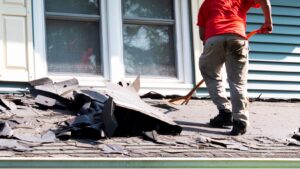
If the damage is localized, like a few missing shingles or rusting flashing, a repair may be sufficient. Replacing a few shingles or fixing the metal flashing around chimneys, vents, and skylights can stop water from getting into your home and prevent larger problems down the line.

High winds can damage a roof by lifting or tearing off shingles, tiles, and other materials. A regular roof inspection and the use of impact-resistant shingles can help limit the effects of wind damage. In extreme cases, strong winds can even rip off sections of the roof itself.

Accessibility

It is important to have access to the materials needed for your roof repair. This can be done by renting a ladder, using safety ropes on steep roofs, or finding a safe way to access the roof from the ground. Other necessities include a hard hat, proper footwear (such as rubber-soled shoes), and adequate fall protection. Finally, make sure the roof is dry before beginning work. Moisture on a roof can interfere with the adhesion of repair materials and lead to premature wear. Begin by clearing the area around the damaged section. Clean the surface and remove any debris with a broom, brush, or air blower. Then, carefully cut a patch from a material that matches your roofing type and size. It is crucial that the patch covers all the damage and extends past the edges for maximum durability.

Materials

Choosing the right repair materials is an important part of maintaining the integrity and appearance of your home’s roof. Roofing materials need to be durable and resistant to a variety of climatic conditions. They also need to be compatible with existing roofing systems to ensure a watertight seal. Whether your roof is shingle, flat, or metal, it’s essential to find the best repair materials for the job.

To begin the roof leak repair process, locate the source of the leak and clean the area. This will help to prevent further water intrusion and damage. The next step is to apply a waterproof barrier. Ideally, you should choose a waterproof material that will be resistant to the same climatic conditions as your roof.

For example, if you have a metal roof, you should use a waterproof sealant that will protect the seams and fasteners from corrosion in cold climates. Similarly, if you have a shingle roof, you should use a tar-based waterproof material to stop leaks and keep rain out of your house.

Another option is to use roofing cement for minor repairs. This will quickly seal any cracks or holes, providing immediate relief from leaks. To apply roofing cement, simply scoop up a small amount with a putty knife or trowel and apply it to the damaged area. Be sure to press firmly into cracks and gaps to create a strong and effective seal.

If you want a more permanent solution to a leaky roof, consider patching. This will offer a more long-term solution and restore the integrity of your roof. Depending on the type of roofing you have, you may need to match the color and style of the new patch or replacement shingle.

Regardless of the type of roof repair you need, it’s important to take time to select the best repair materials. With the guidance of experts, homeowners in Marengo and Mount Vernon can confidently select and apply high-quality roofing repair products that will last for years. Contact Whitt Roofing & Restoration today to schedule a free inspection of your home’s roof.

Time

Your roof is one of the most important components of your home, protecting you and your belongings from harsh weather conditions. But like any other part of your house, your roof will eventually wear out and need to be repaired or replaced. Identifying and addressing issues early on can prevent costly damage in the future and reduce your overall repair costs.

If you are concerned about your home’s roof, a roof inspection may be necessary. This will involve assessing the condition of the roof, including checking for damage on both the inside and outside of the house. The inspection will also include inspecting the chimney, vents, gutters and downspouts to make sure they are in good working order.

The inspection process can take anywhere from a few hours to several days, depending on the extent of the work required. Minor repairs, such as replacing shingles or patching leaks, can typically be completed within a day. More extensive repairs, such as a full roof replacement or addressing structural problems, can take up to a week or more.

In most cases, roof repairs are less expensive than a full roof replacement. However, the upfront cost of a new roof can be intimidating, so it is important to weigh your options carefully. A new roof can add value and comfort to your home, as well as saving you money on recurring repair costs in the long run.

If your roof is under 15 years old and the damage is isolated – such as from a fallen tree branch or recent storm – then repairing it makes sense. Repairing a few missing or damaged shingles can stop water from entering the house and prevent more damage down the line.

Replacing flashing is another quick and easy way to prevent water infiltration. This involves swapping out old or damaged flashing and resealing the areas around chimneys, skylights, vents and other rooftop penetrations.

Roofing contractors can also replace damaged pipe boots, which protect the roof from rainwater and snow. This is a relatively fast and simple fix that requires minimal labor, and it can significantly reduce your energy bill by keeping heated or air-conditioned air from seeping out of your home.