Plumbing Repair

Plumbing Repair: Common Problems, Repair Process, and What Homeowners Should Know

Plumbing problems can start with something as simple as a dripping faucet and quickly become much more serious if they are ignored. A small leak may lead to water damage, a slow drain may develop into a complete blockage, and a damaged pipe can disrupt the entire household without warning. Because plumbing systems are used every day, even minor issues can affect comfort, sanitation, and the overall condition of the home.

Understanding how plumbing repair works helps homeowners recognize warning signs early and respond before damage becomes more expensive. Timely repairs can restore reliable water flow, protect building materials, and help extend the life of the entire plumbing system. Contact your local Plumber in Castle Rock for more details.

What Are the Most Common Plumbing Problems?

Residential plumbing systems can develop a wide range of problems as fixtures and pipes age. Leaking faucets, running toilets, clogged drains, low water pressure, dripping supply lines, and damaged valves are among the most common issues homeowners experience. While some of these problems may seem minor, they can waste water and place unnecessary strain on other parts of the system. A leak that continues for weeks may also damage cabinetry, flooring, drywall, or nearby structural materials. Addressing small problems early often prevents larger repairs.

Pipe damage is another common reason homeowners need plumbing repair. Corrosion, freezing temperatures, excessive water pressure, shifting building materials, and accidental impacts can all weaken pipes over time. Hidden leaks may develop behind walls, beneath floors, or above ceilings, making them more difficult to identify without professional equipment. Unexplained moisture, stains, odors, or increases in water bills can indicate that a concealed pipe is leaking. Careful inspection helps locate the problem before additional damage occurs.

How Does the Plumbing Repair Process Begin?

The plumbing repair process begins with diagnosing the actual cause of the problem. A plumber typically inspects the affected fixture or plumbing line while asking questions about when the issue started and how often it occurs. Symptoms such as slow drainage, unusual noises, inconsistent water pressure, or visible leakage provide important clues. Testing may also be necessary when the source is hidden or affects several fixtures at once. Accurate diagnosis reduces unnecessary work and allows the proper repair to be selected.

Once the problem has been identified, the plumber determines which components need repair or replacement. The water supply may be shut off temporarily to allow the work to be completed safely and prevent additional leakage. Damaged parts are removed, connections are inspected, and replacement materials are installed where necessary. The repaired area is then tested to confirm that water flows correctly and no leaks remain. A thorough repair addresses both the immediate problem and any related concerns discovered during the inspection.

Which Plumbing Repairs Should Be Handled Quickly?

Active water leaks should be repaired as soon as possible because moisture can spread into surrounding materials quickly. Burst pipes, failed supply lines, leaking water heaters, and broken shutoff valves may release significant amounts of water in a short period. Even a slower leak can lead to mold growth, damaged flooring, and deteriorated drywall if it remains unnoticed. Prompt repair limits the amount of restoration that may be required afterward. Fast action is especially important when water is near electrical components.

Sewer and drain problems may also require immediate attention when wastewater begins backing up into the home. Multiple slow drains, gurgling toilets, sewage odors, and wastewater appearing in tubs or floor drains can indicate a problem with the main drainage system. These situations can create sanitation concerns and make plumbing fixtures unusable. Professional evaluation helps determine whether the issue involves a localized blockage or a larger sewer line problem. Delaying service may allow the backup to spread to additional parts of the property.

How Are Leaks and Damaged Pipes Repaired?

The repair method used for a damaged pipe depends on its material, location, and condition. A small accessible leak may be repaired by replacing a short section of pipe or installing new fittings and connections. Pipes showing extensive corrosion or deterioration may require a larger section to be replaced to prevent another failure nearby. Hidden pipes may require careful access through walls or ceilings before repairs can begin. Selecting the right approach helps provide a durable long-term solution.

After a damaged pipe is repaired, the system is pressurized and tested for leaks. Connections are checked carefully to ensure they remain dry while water flows through the repaired section. If water damage has affected surrounding materials, additional drying or restoration may also be necessary after the plumbing work is complete. Testing is an essential step because it verifies that the repair has restored proper operation. Careful workmanship helps reduce the likelihood of recurring leaks.

Can Routine Maintenance Reduce Plumbing Repairs?

Regular plumbing maintenance can help homeowners identify developing problems before they require emergency service. Checking exposed pipes, water heaters, faucets, toilets, supply lines, and shutoff valves for moisture or corrosion allows small issues to be addressed early. Drains should also be monitored for gradual slowing because repeated blockages can indicate buildup deeper within the plumbing system. Preventive inspections provide valuable information about the overall condition of the home’s plumbing. Early repairs often cost less than major failures.

Homeowners can also protect their plumbing systems through responsible everyday habits. Grease, cooking oil, food scraps, paper towels, wipes, and hygiene products should not be placed into drains or toilets because they may contribute to blockages. Plumbing leaks should be corrected promptly rather than tolerated for long periods. During cold weather, vulnerable pipes should be protected from freezing where necessary. Consistent maintenance helps extend the lifespan of plumbing fixtures and pipes.

When Should Homeowners Call a Professional Plumber?

Professional plumbing repair is recommended when the source of a problem is unclear, several fixtures are affected, or water damage is developing. Persistent low water pressure, recurring clogs, hidden leaks, sewer odors, and repeated toilet problems may indicate conditions that require more than a simple household fix. A professional plumber has the equipment and experience needed to inspect concealed pipes and diagnose complex drainage issues. Accurate evaluation reduces the risk of treating only the symptom. Professional service can also help prevent accidental damage caused by incorrect repairs.

Homeowners should also seek professional help when repairs involve main water lines, sewer lines, water heaters, or plumbing located inside walls and floors. These systems can affect large portions of the property if a repair is completed incorrectly. Proper tools, materials, and testing procedures help ensure the plumbing system is restored safely and reliably. Professional repairs also provide an opportunity to identify aging components that may need attention in the future. Addressing these concerns proactively can reduce unexpected failures.

How Can Plumbing Repair Protect Property Value?

A well-maintained plumbing system contributes significantly to the overall condition of a home. Hidden leaks, water stains, mold, and recurring drain problems can raise concerns about maintenance when a property is inspected or prepared for sale. Keeping plumbing fixtures and pipes in good condition demonstrates that the home has received consistent care. Timely repairs also reduce the risk of structural damage caused by prolonged water exposure. Reliable plumbing supports both comfort and long-term marketability.

Plumbing repair also helps protect expensive interior finishes and personal belongings. Cabinets, flooring, drywall, insulation, and furniture can all be damaged by uncontrolled leaks or wastewater backups. Preventing these problems helps homeowners avoid restoration expenses that extend far beyond the plumbing repair itself. A dependable plumbing system allows everyday household routines to continue without unnecessary disruption. Investing in proper maintenance protects both the property and the people living in it.

Final Thoughts

Plumbing repair is an essential part of maintaining a safe, comfortable, and dependable home. From leaking faucets and damaged pipes to clogged drains and sewer problems, addressing plumbing issues early helps prevent water damage and reduce the likelihood of costly emergency repairs. A successful repair begins with accurate diagnosis, followed by appropriate replacement or restoration of the affected components and thorough testing before the job is complete. Regular inspections and responsible plumbing habits also help homeowners prevent many common problems. By taking a proactive approach to plumbing repair, homeowners can protect their property while keeping water and drainage systems working efficiently for years to come.

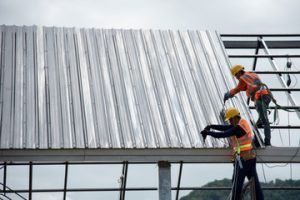
Roofing

Beneath the Skyline: The Quiet Revolution in Roofing Design

The future of Roofing is not just about protection. It is now about connection. A connection between form, function, and the invisible forces of sustainability shaping our world. The humble roof is being reimagined as the centerpiece of modern living.

Roofing

Today’s roofs no longer exist to simply shield homes from the rain. They have become living, breathing systems that adapt to the environment. They capture energy, recycle water, and even host vegetation that cleans the air. Roofing has evolved from a static barrier into a dynamic contributor to the planet’s wellness.

Designers are now approaching roofing like digital architecture. Every line, layer, and texture matters. Advanced simulations help test how a roof will respond to heat, wind, and moisture before it is even built. The process merges art and analytics, creating surfaces that perform intelligently.

Minimalist design trends are also reshaping roof aesthetics. Clean edges, seamless curves, and light-reflective materials create sleek silhouettes. Roofs are becoming canvases that express both personality and purpose. They frame the skyline with subtle sophistication, no longer hidden but celebrated.

Technology has become the unseen architect behind many innovations. Smart roofing systems monitor temperature, humidity, and damage in real time. They send alerts before issues become costly repairs. This digital foresight transforms maintenance from reactive to predictive.

Energy generation has become a defining feature of the modern roof. New materials capture sunlight and convert it into power without bulky panels. These roofs blend invisibly into the design, preserving beauty while promoting energy independence. The line between shelter and source is disappearing.

Roofing materials themselves are undergoing a quiet transformation. Traditional options are being reengineered with nanotechnology to repel dirt, resist corrosion, and extend lifespan. Lightweight composites provide strength without burden. Sustainability meets strength in this new era of construction.

The trend toward circular design is pushing roofs to be more reusable and recyclable. Old tiles are being reborn as new surfaces. Waste from deconstruction becomes the seed for new architecture. The idea of roofing as a one-time investment is fading.

Green roofs, once experimental, have matured into a mainstream vision. Layers of soil and vegetation now top residential and commercial structures. They insulate interiors, reduce noise, and create microhabitats for pollinators. Nature and architecture finally coexist in one seamless form.

The psychology of roofing is another emerging field of design study. Roof shapes influence how people feel inside a space. Curved forms evoke calmness, while angular lines create focus. Even the color of a roof can alter mood, temperature, and productivity.

Artificial intelligence is becoming a silent partner in roofing innovation. Algorithms analyze weather data to recommend optimal shapes and materials. AI-assisted design reduces human error and maximizes energy efficiency. What was once trial and error is now guided precision.

Self-healing materials are beginning to redefine durability. Certain coatings respond to heat or moisture by sealing small cracks automatically. This innovation extends the roof’s life span dramatically. It marks the beginning of roofs that maintain themselves.

Acoustic roofing is another new frontier. Sound-absorbing layers reduce external noise, creating peaceful environments within. This is especially valuable in urban living, where silence has become a form of luxury. Roofing is no longer just structural—it is sensory.

Cooling technology in roofs is advancing rapidly. Reflective pigments and thermal membranes deflect solar radiation. This reduces interior heat and energy costs, promoting comfort even in intense climates. The roof becomes a guardian of balance.

The integration of robotics in installation is reshaping labor dynamics. Automated tools can now lay materials with millimeter precision. This reduces human risk and accelerates construction timelines. What once took days can now be done in hours.

Modular roofing is also rising in demand. Prefabricated panels make it easy to assemble, replace, or upgrade sections as needed. It’s a flexible approach that matches the rhythm of modern living. Homes are evolving, and roofs must evolve too.

Designers are also exploring biomimicry—studying nature’s patterns for inspiration. Roofs modeled after leaves or shells can redirect rainwater and regulate heat naturally. The result is functional elegance that respects ecological intelligence. Nature continues to be the greatest engineer.

Weather adaptability has become another milestone. Some experimental roofs change shape in response to environmental pressure. They expand, contract, or redirect airflow depending on wind intensity. These living roofs merge mechanics and instinct in breathtaking ways.

Aesthetic personalization is on the rise. Homeowners now treat roofs as creative statements. They choose hues, textures, and finishes that complement architecture and mood. It’s a form of silent storytelling expressed through shelter.

Invisible roofing is a term gaining traction in design circles. It refers to roofs that visually disappear into their surroundings. Through transparency, color-matching, or optical illusion, these designs achieve harmony with the environment. The result is subtle architectural poetry.

The concept of breathable roofing systems is emerging too. These allow controlled airflow between structural layers. It prevents mold, balances humidity, and enhances comfort. The roof is no longer a sealed lid but a living membrane.

Hybrid roofing fuses materials for optimized performance. Combining metal with organic fibers, for example, creates strength with flexibility. This mix-and-match philosophy is paving the way for future-proof design. Functionality thrives in diversity.

In extreme-weather regions, adaptive resilience has become a design priority. Some roofs are engineered to redirect torrential rains or deflect high winds. Others store excess water for reuse during dry spells. Innovation ensures protection even under unpredictable conditions.

Roofing’s role in urban sustainability is expanding too. Rooftops are transforming into social and ecological spaces. They grow food, host solar gardens, and provide recreation zones. Every square meter above becomes part of the solution below.

Even acoustics and lighting interplay are influencing roofing concepts. Integrated skylights adjust brightness automatically. Hidden acoustic baffles enhance sound quality indoors. This sensory intelligence turns roofs into instruments of comfort.

Renewable integration has reached artistic levels. Energy-absorbing roofs can now power neighboring homes through shared grids. This transforms roofing into a communal asset, not a private feature. Architecture becomes collective energy.

The sustainability narrative has also reached cultural depth. Traditional roofing techniques are being revived with modern precision. Designers reinterpret ancient craftsmanship through contemporary materials. The result honors heritage while embracing innovation.

Data-driven design is making roofs smarter than ever. Sensors collect long-term weather performance data. This helps engineers improve future projects continuously. The learning never stops; every roof becomes a prototype for the next.

Thermal storage roofs are becoming energy-efficient powerhouses. They absorb daytime heat and release it during cooler nights. This balances temperature naturally without constant mechanical input. Comfort meets conservation effortlessly.

Transparent roofing materials are reshaping indoor experiences. They filter harmful rays while welcoming natural light. Homes feel open, warm, and alive. The barrier between inside and outside gently fades.

Aerodynamic design now plays a key role in roofing safety. Wind tunnel testing refines shapes that resist uplift during storms. By mimicking flight dynamics, roofs stay grounded even under pressure. Physics and design dance together in perfect balance.

Maintenance-free roofing is becoming an achievable dream. Dust-resistant coatings and drainage-smart slopes reduce upkeep dramatically. Time and effort are saved while longevity increases. Innovation rewards practicality.

Recycled-content roofing materials are finding their spotlight. They prove that sustainability can look stunning. Each tile tells a story of renewal, of waste transformed into strength. Beauty is now born from responsibility.

Architectural harmony between walls and roofs is also a growing theme. The seamless transition blurs boundaries between structural elements. This holistic design language creates unity and rhythm in every space. Architecture becomes a continuous conversation.

Fire-resistant roofing has advanced beyond expectation. New compounds expand when exposed to heat, forming protective layers. This self-defense mechanism enhances safety without compromising design. The roof becomes a silent guardian in crisis.

In commercial design, energy-harvesting roofs redefine profitability. Buildings generate their own electricity, easing operational costs. This shifts architecture from consumption to contribution. The future of business may literally be above our heads.

Digital twins in roofing design represent another leap forward. Virtual models simulate every phase from weathering to repair. This predictive modeling reduces waste and errors in construction. It’s the digital mirror of the physical world.

Microclimate-responsive roofs are redefining sustainability in detail. They adjust based on hyperlocal atmospheric data. Each structure interacts with its unique environment intelligently. Precision meets personalization on a grand scale.

New soundscape designs are emerging in hospitality and wellness structures. Roofs are tuned to influence acoustic ambiance indoors. The result is calm, clear, and restorative spaces. Even silence becomes a form of architecture.

Hydrophobic coatings are elevating waterproofing standards. They repel not just rain but also grime and organic buildup. The surface stays clean longer, reducing maintenance cycles. Simplicity meets innovation in each droplet.

Modular solar membranes blur the lines between roof and panel. Flexible, ultra-thin layers generate electricity while maintaining aesthetic grace. Energy efficiency becomes invisible, yet ever-present. Function hides beautifully in plain sight.

The next generation of roofing will not only protect but predict. It will communicate, adapt, and evolve through data and design. What once sat quietly above us will now act as a living part of our ecosystem. Roofing is no longer passive—it’s participatory.

In this age of innovation, every roof tells a story of evolution. It speaks of how humanity learns from nature and technology alike. Beneath the skyline, a quiet revolution continues to rise. And with it, the very definition of shelter transforms forever.